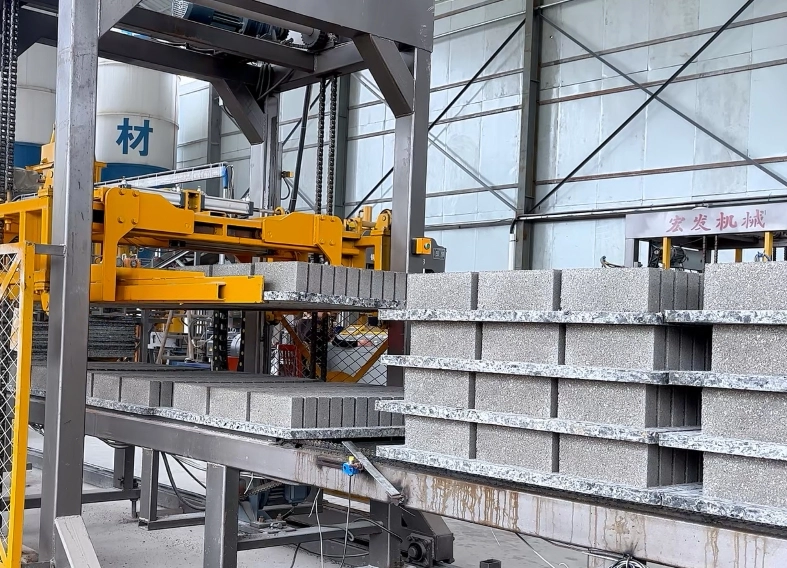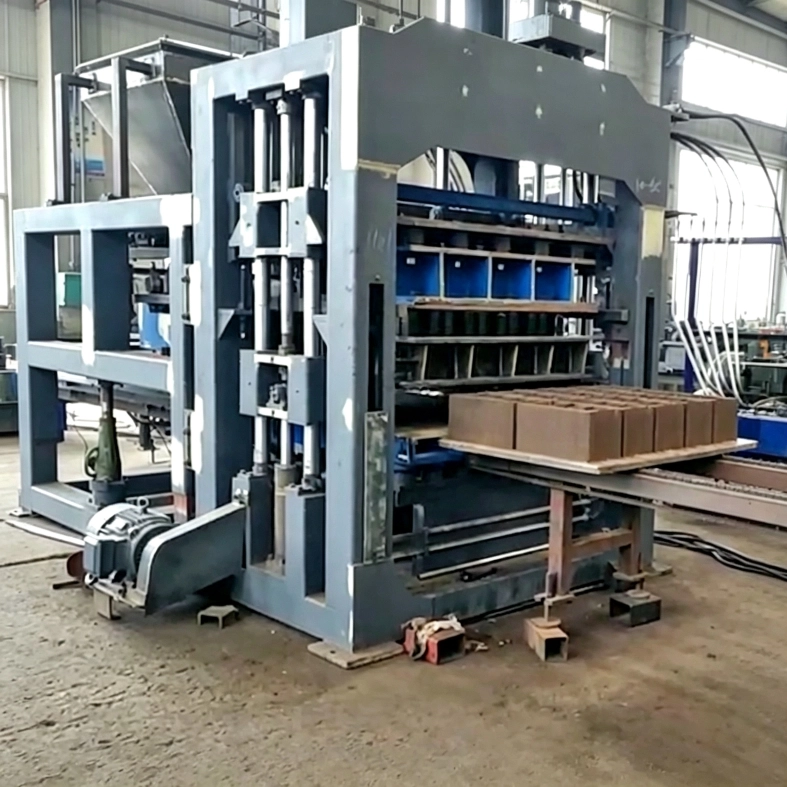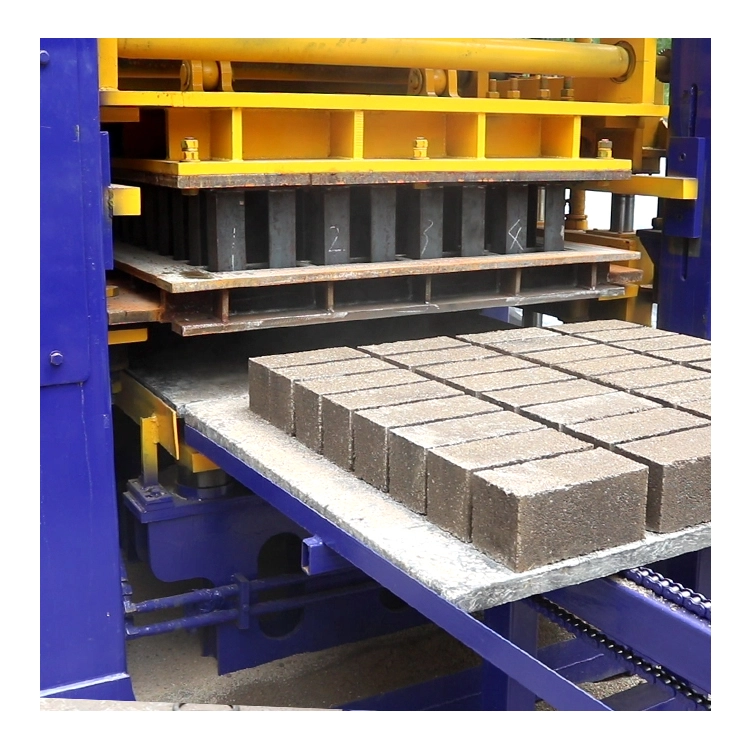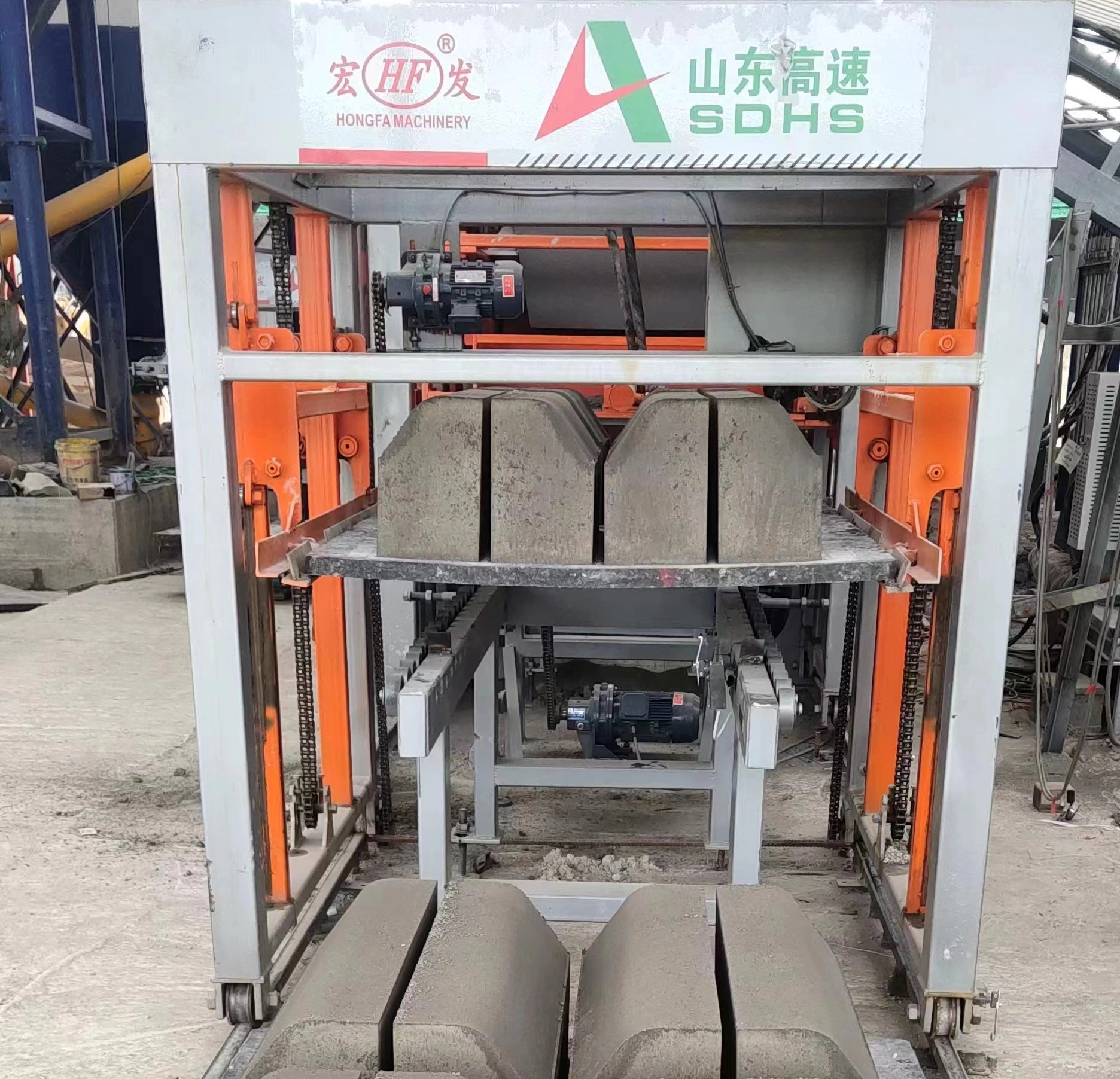
1. Box‑type mould‑vibration forming improves block compression and density
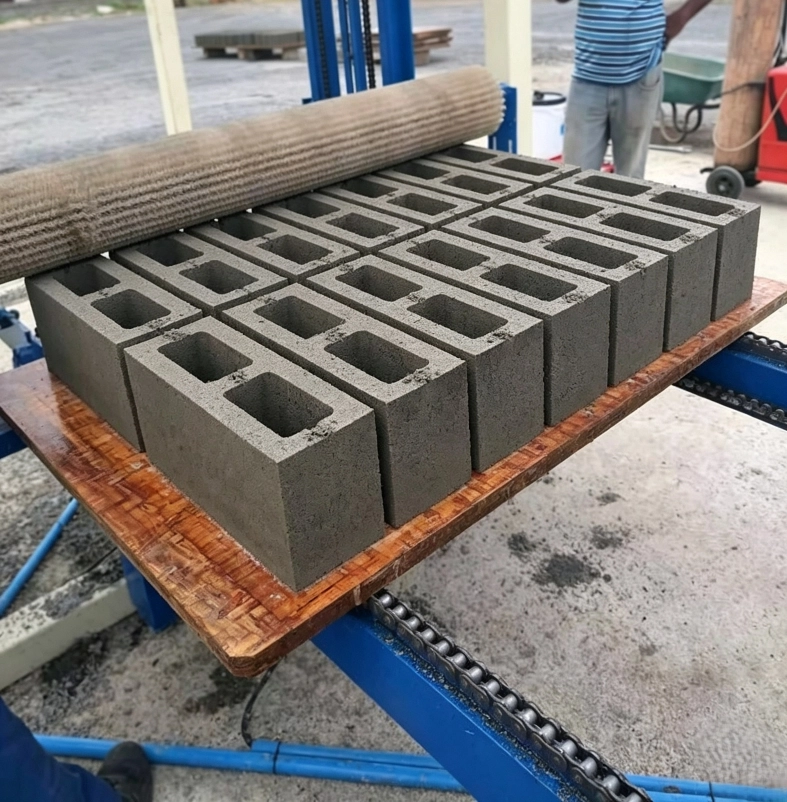
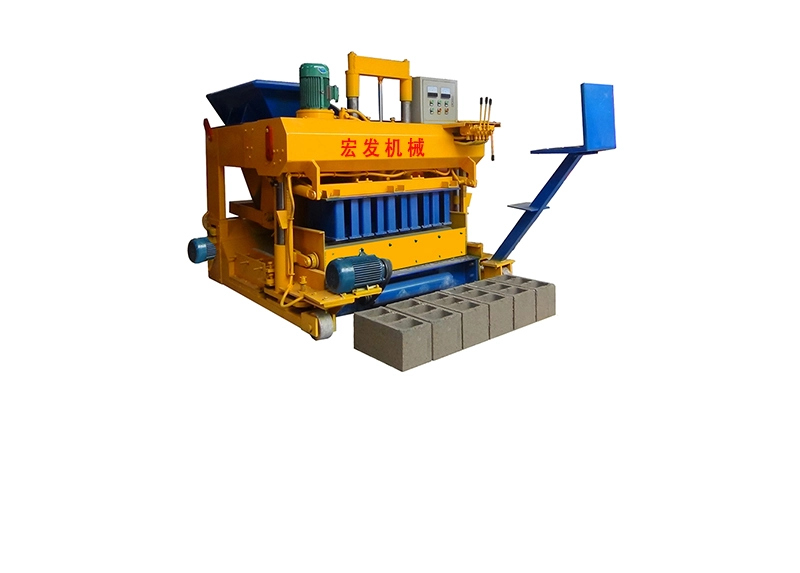
QMJ6‑30 adopts box‑style mould‑vibration forming architecture. Vibration energy transmits directly into mould cavity. Aggregates of sand‑stone and industrial‑waste mixtures interlock and compact sufficiently, internal air voids are fully expelled to eliminate inner defects such as partial looseness and inter‑layer separation. Finished blocks own compact texture and compressive performance meeting hard requirements for multi‑story housing and county‑level‑infrastructure load‑bearing walls. Many medium‑small brick suppliers for regional engineering projects encounter that lab‑test samples pass inspection but compressive strength drifts in mass‑production, resulting in removal from approved‑vendor lists and loss of large‑volume local supply orders. Benefiting from stable box‑mould‑vibration performance, quality deviation among batches stays within reasonable range. Lab samples maintain high performance consistency with ground‑formed finished blocks. Whether for multi‑story residential buildings, main walls of medium‑small workshops or county‑level municipal infrastructure wall projects, it enables smooth sampling‑inspection and local supply qualification. Repeated material‑consuming sample revision is avoided to reduce trial‑production loss and improve competitiveness for regional project bidding.
2. Pallet‑free ground forming eliminates recurring pallet‑consumable investment
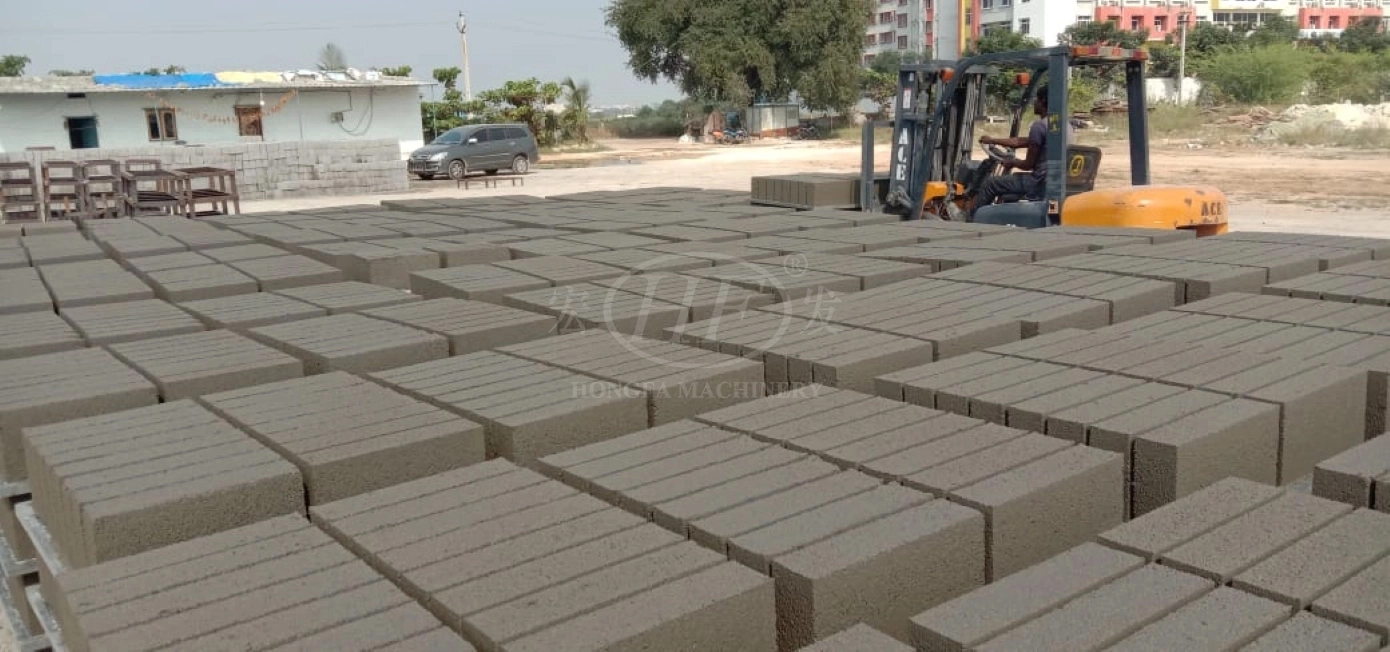
Designed for pallet‑free ground forming, finished blocks are directly laid on hardened ground without any pallets. Recurring expenses including pallet purchasing, wear replacement, storage and circulation are completely eliminated. For medium‑small brick plants with bulk supply tasks, pallets represent heavy year‑round consumable cost that erodes project profit. With QMJ6‑30, more capital can be allocated to raw‑material stock‑up and business expansion. Meanwhile, quality defects induced by deformed or broken pallets are avoided, reducing defective goods entering supply chains and hidden quality‑dispute risks to secure real project profit.
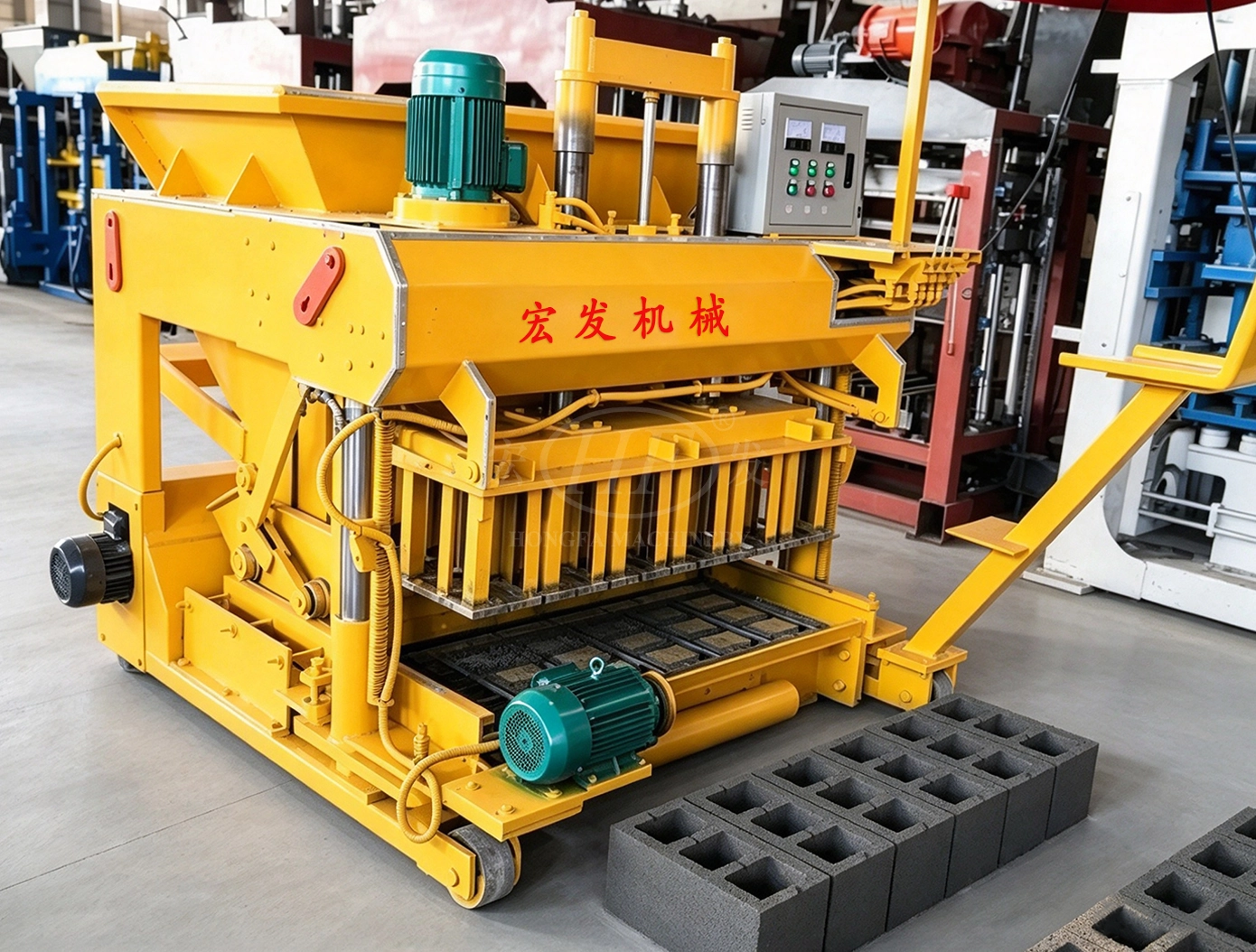
3. Heavy‑duty steel frame plus imported hydraulics guarantees dimensional consistency in mass production
Built with heavy‑duty thickened welded‑steel frame and Taiwan Calyca hydraulic power unit, the machine features excellent anti‑vibration and anti‑deformation performance. It adapts to long‑time continuous mass‑production of medium‑small brick plants. Every ground‑formed block maintains uniform thickness and outer dimension under stable operation, minimizing defective products with chipped edges, dimensional deviation or insufficient strength. Local housing and infrastructure supply contracts contain strict quality‑liability clauses. Once delivered blocks fail random inspection, on‑site wall construction will be suspended, leading to shipment rejection, payment deduction and contractual compensation. A single quality incident will badly damage local industry reputation and block future project opportunities. Reliable rigid frame and hydraulic co‑forming performance of QMJ6‑30 lowers defect rate from source and avoids hidden quality disputes in bulk supply. It sustains trusted cooperation with local general contractors and clients, and cuts manpower and time cost for after‑sales communication and on‑site rectification.
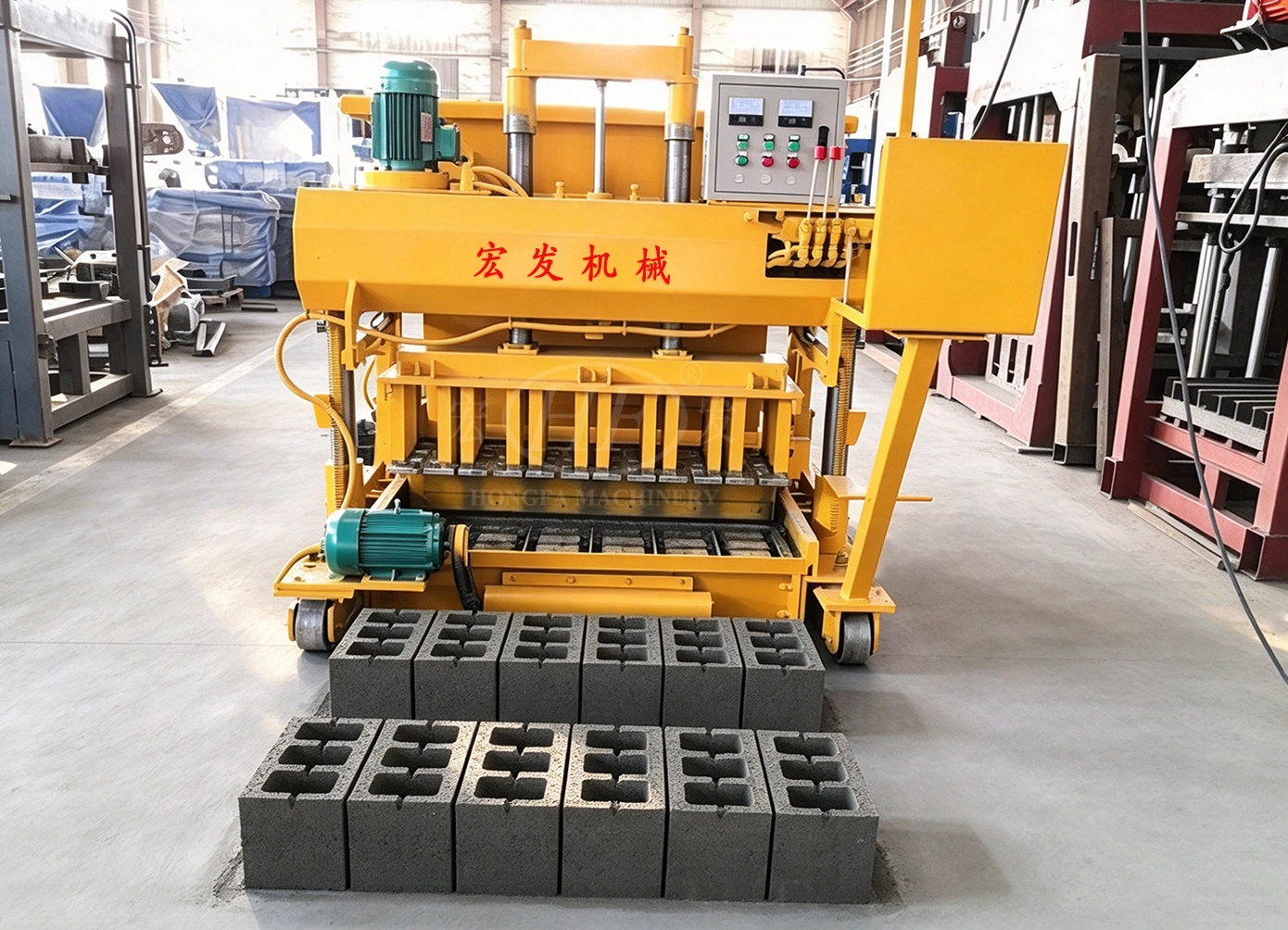
4. Wide raw‑material compatibility plus fast‑change moulds for diversified structural‑block production
This mould‑vibration main machine presents good raw‑material adaptability. High‑strength structural‑wall blocks complying with engineering standards can be produced with high‑proportion industrial waste including crushed stone, fly ash, mineral slag and gangue mixed with sand and cement. While fully meeting all performance requirements for load‑bearing walls, it helps medium‑small‑scale brick plants cut comprehensive raw‑material procurement cost under mass‑production conditions. Moulds can be disassembled and swapped rapidly without modifying main‑machine frame to produce various‑size solid and hollow structural blocks, precisely matching technical procurement clauses in tender documents of different local housing and county‑level infrastructure projects. Many economical machines of similar grade mainly produce non‑load‑bearing paving products and cannot steadily mass‑produce qualified structural‑wall blocks. With QMJ6‑30, medium‑small brick plants can focus on regional structural‑wall‑supply business and escape fierce low‑price competition of ordinary building materials. You can serve local general contractors with rigid compressive‑strength requirements and capture large‑volume wall‑supply opportunities to expand engineering‑oriented revenue streams.
5. High‑output pallet‑free operation supports multi‑project parallel supply
Featuring short forming cycle and large output per mould, the pallet‑free workflow saves time spent on pallet circulation for higher overall productivity. Production can be carried out merely on hardened ground. When undertaking multiple large‑volume housing and county‑level‑infrastructure wall‑supply contracts simultaneously, higher production efficiency accelerates stock preparation to cope with concurrent ordering pressure from several projects. Ground‑formed block stacks can be directly handled and loaded by forklift to raise intact rate of blocks delivered to construction sites. When handling multiple regional supply contracts, it grants medium‑small brick plants sufficient business flexibility and further enhances comprehensive competitiveness in regional building‑material market.
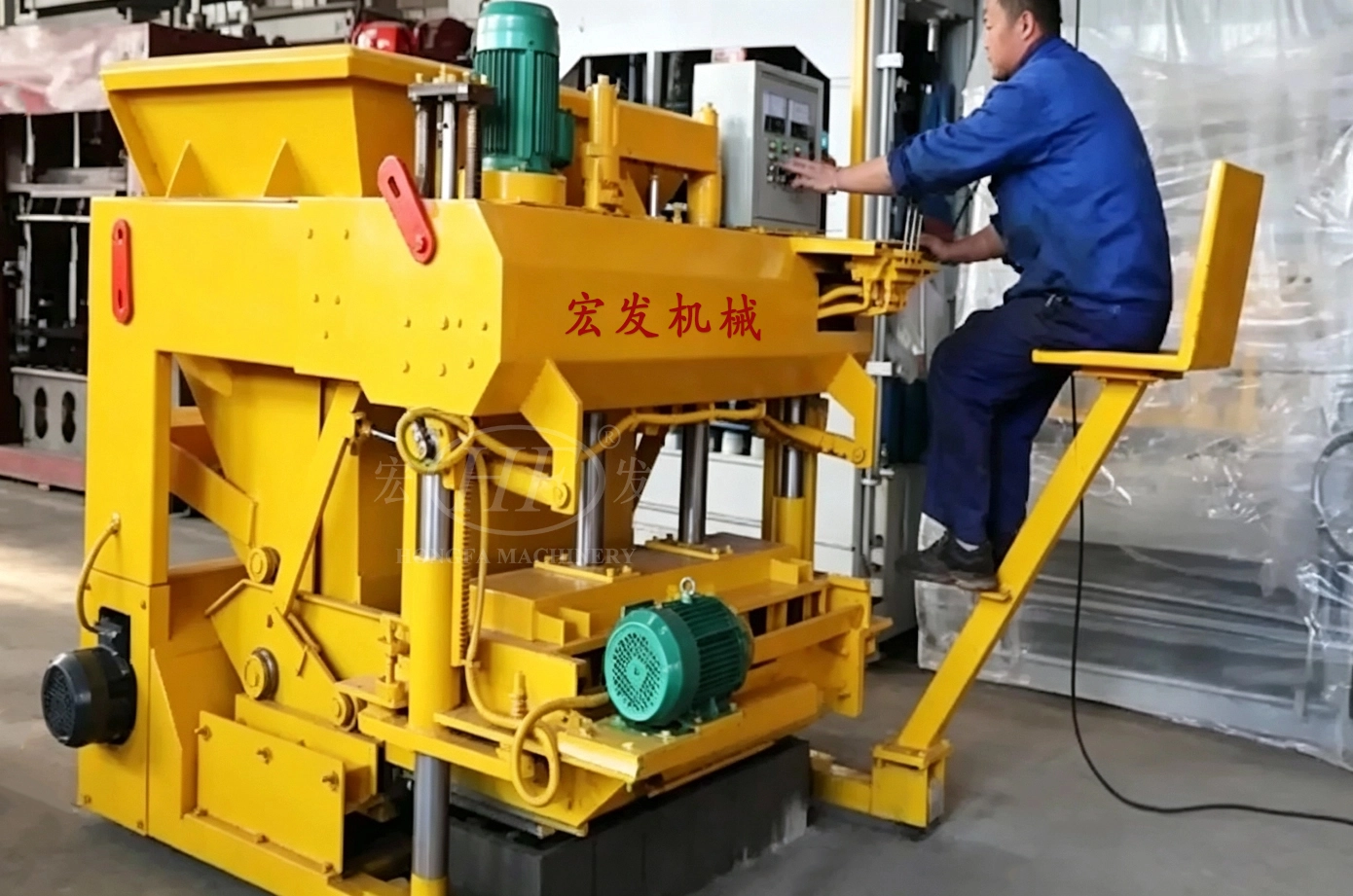
1. Box‑type mould‑vibration forming improves block compression and density
QMJ6‑30 adopts box‑style mould‑vibration forming architecture. Vibration energy transmits directly into mould cavity. Aggregates of sand‑stone and industrial‑waste mixtures interlock and compact sufficiently, internal air voids are fully expelled to eliminate inner defects such as partial looseness and inter‑layer separation. Finished blocks own compact texture and compressive performance meeting hard requirements for multi‑story housing and county‑level‑infrastructure load‑bearing walls. Many medium‑small brick suppliers for regional engineering projects encounter that lab‑test samples pass inspection but compressive strength drifts in mass‑production, resulting in removal from approved‑vendor lists and loss of large‑volume local supply orders. Benefiting from stable box‑mould‑vibration performance, quality deviation among batches stays within reasonable range. Lab samples maintain high performance consistency with ground‑formed finished blocks. Whether for multi‑story residential buildings, main walls of medium‑small workshops or county‑level municipal infrastructure wall projects, it enables smooth sampling‑inspection and local supply qualification. Repeated material‑consuming sample revision is avoided to reduce trial‑production loss and improve competitiveness for regional project bidding.
2. Pallet‑free ground forming eliminates recurring pallet‑consumable investment
Designed for pallet‑free ground forming, finished blocks are directly laid on hardened ground without any pallets. Recurring expenses including pallet purchasing, wear replacement, storage and circulation are completely eliminated. For medium‑small brick plants with bulk supply tasks, pallets represent heavy year‑round consumable cost that erodes project profit. With QMJ6‑30, more capital can be allocated to raw‑material stock‑up and business expansion. Meanwhile, quality defects induced by deformed or broken pallets are avoided, reducing defective goods entering supply chains and hidden quality‑dispute risks to secure real project profit.
3. Heavy‑duty steel frame plus imported hydraulics guarantees dimensional consistency in mass production
Built with heavy‑duty thickened welded‑steel frame and Taiwan Calyca hydraulic power unit, the machine features excellent anti‑vibration and anti‑deformation performance. It adapts to long‑time continuous mass‑production of medium‑small brick plants. Every ground‑formed block maintains uniform thickness and outer dimension under stable operation, minimizing defective products with chipped edges, dimensional deviation or insufficient strength. Local housing and infrastructure supply contracts contain strict quality‑liability clauses. Once delivered blocks fail random inspection, on‑site wall construction will be suspended, leading to shipment rejection, payment deduction and contractual compensation. A single quality incident will badly damage local industry reputation and block future project opportunities. Reliable rigid frame and hydraulic co‑forming performance of QMJ6‑30 lowers defect rate from source and avoids hidden quality disputes in bulk supply. It sustains trusted cooperation with local general contractors and clients, and cuts manpower and time cost for after‑sales communication and on‑site rectification.
4. Wide raw‑material compatibility plus fast‑change moulds for diversified structural‑block production
This mould‑vibration main machine presents good raw‑material adaptability. High‑strength structural‑wall blocks complying with engineering standards can be produced with high‑proportion industrial waste including crushed stone, fly ash, mineral slag and gangue mixed with sand and cement. While fully meeting all performance requirements for load‑bearing walls, it helps medium‑small‑scale brick plants cut comprehensive raw‑material procurement cost under mass‑production conditions. Moulds can be disassembled and swapped rapidly without modifying main‑machine frame to produce various‑size solid and hollow structural blocks, precisely matching technical procurement clauses in tender documents of different local housing and county‑level infrastructure projects. Many economical machines of similar grade mainly produce non‑load‑bearing paving products and cannot steadily mass‑produce qualified structural‑wall blocks. With QMJ6‑30, medium‑small brick plants can focus on regional structural‑wall‑supply business and escape fierce low‑price competition of ordinary building materials. You can serve local general contractors with rigid compressive‑strength requirements and capture large‑volume wall‑supply opportunities to expand engineering‑oriented revenue streams.
5. High‑output pallet‑free operation supports multi‑project parallel supply
Featuring short forming cycle and large output per mould, the pallet‑free workflow saves time spent on pallet circulation for higher overall productivity. Production can be carried out merely on hardened ground. When undertaking multiple large‑volume housing and county‑level‑infrastructure wall‑supply contracts simultaneously, higher production efficiency accelerates stock preparation to cope with concurrent ordering pressure from several projects. Ground‑formed block stacks can be directly handled and loaded by forklift to raise intact rate of blocks delivered to construction sites. When handling multiple regional supply contracts, it grants medium‑small brick plants sufficient business flexibility and further enhances comprehensive competitiveness in regional building‑material market.


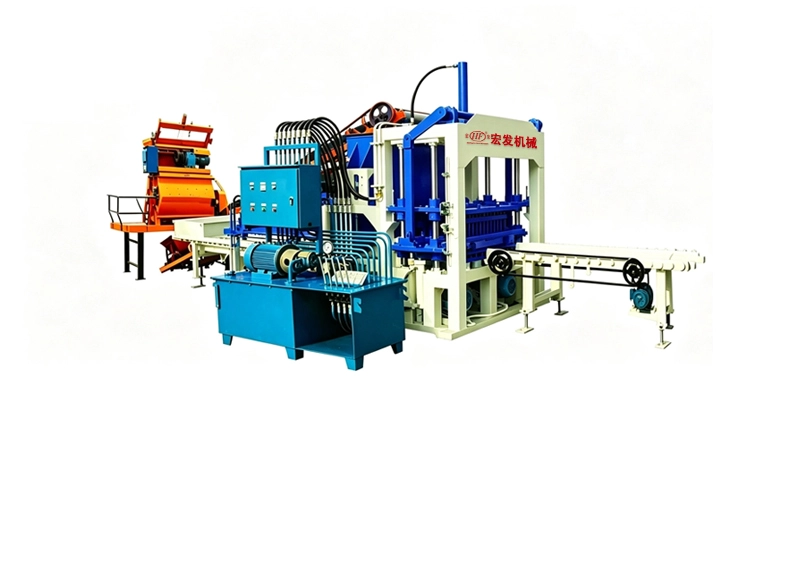 QT4‑20C Automatic Non‑fired Block Machine | Zero Flue‑gas, Waste‑recycling Eco‑friendly Brick Equipment
QT4‑20C automatic non‑fired block machine adopts pallet circulating operation. It requires no sintering kiln and achieve...

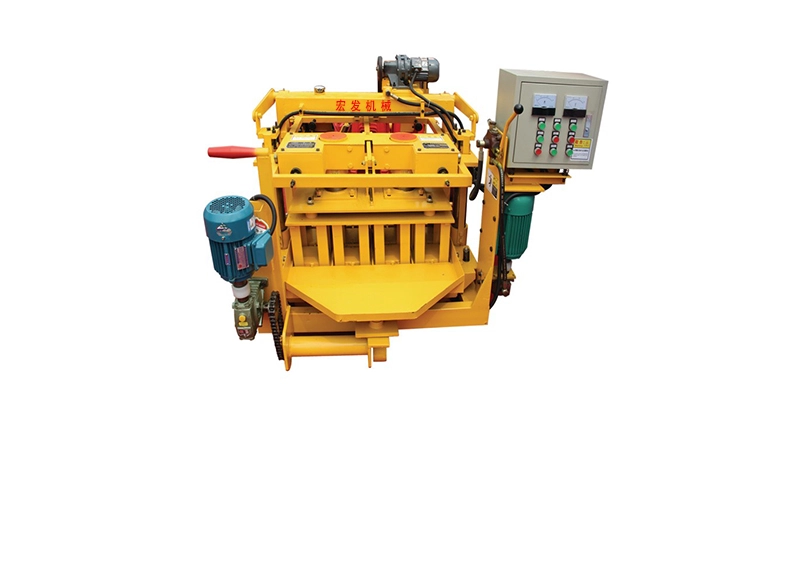 QMJ‑4A Mobile Pallet‑free Non‑fired Block Machine | Zero Flue‑gas, Economical Waste‑recycling Brick Equipment
QMJ‑4A mobile pallet‑free non‑fired block machine supports on‑site mobile operation. It requires no pallets and no sinte...
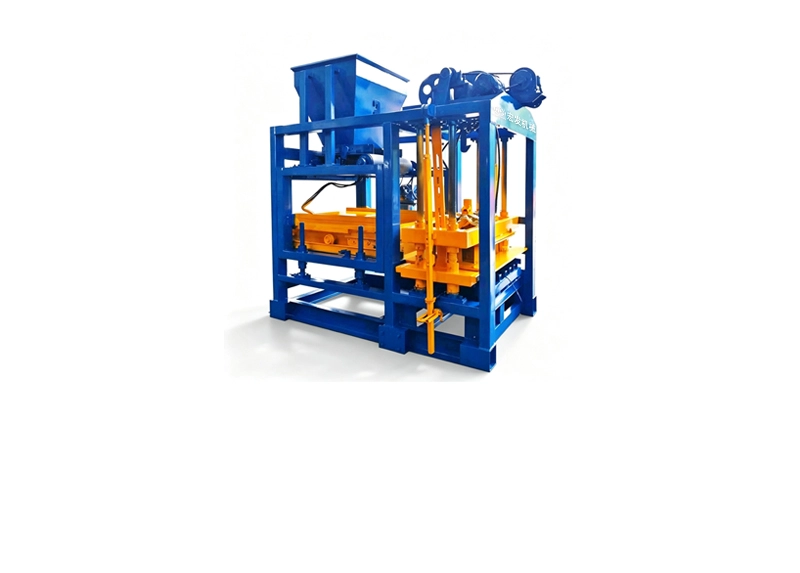 QT4‑25C Semi‑automatic Non‑fired Block Machine | Eco‑compliant Solid‑waste Recycling Solution for Overseas Small‑Medium Brick Plants
QT4‑25C complete semi‑automatic non‑fired block production solution requires no sintering kiln and achieves zero flue‑ga...
Shandong Hongfa Scientific Industrial&Trading Co.,Ltd ©️2026Copyright © LU ICP B 16041216-4